Born In Germany, Success in America
Levi Strauss was born in 1829 in the town of Buttenheim in Bavaria. The youngest child in a large Jewish family, Löb (his original name) grew up under poor circumstances. When his father died, his mother decided to move with him and two daughters to America. They sailed in 1848 and landed in New York, where two of Strauss’ brothers were already working in the dry goods industry. Strauss learned the trade, became a US citizen, and changed his name to Levi.
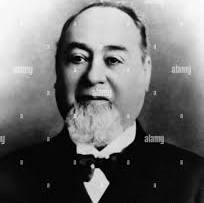
Levi Strauss (Alamy)
Early Business in California
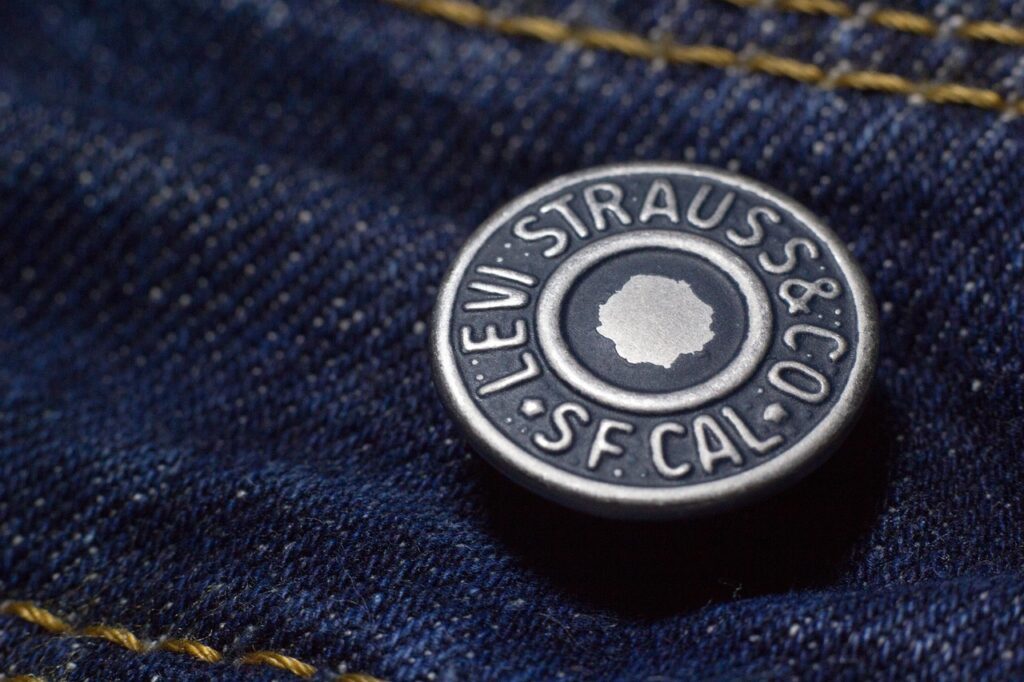
In 1853 the 24-year-old Strauss moved to San Francisco, California. He founded a company to provide gold-diggers and mine-workers with dry goods. When Strauss heard that the miners needed durable pants, he hired a tailor named Jacob Davis, an immigrant from Riga, Latvia, who made trousers for working men and cowboys in Nevada. Strauss gave Davis dyed tent canvas to make durable work trousers, but the pockets often ripped when the workers carried tools or ore samples in their back pockets. So Davis had the idea to sew the pockets into the fabric and reinforce them with rivets for more durability. Strauss saw the genius in the new design and patented it in 1873. Mass production began. By 1890 the business had already grown into a large corporation with modern production facilities.
(pixbay)
Blue denim overalls were the standard worker ware until the 1960’s, when ‘jeans’ gradually became a mass market fashion item for normal consumers, a ‘must have’ for stars, and a symbol for youthful rebellion and assertiveness.
The origin of the name ‘blue jeans’ is not documented, but some historians believe that ‘jeans’ refers to the Italian city of Genoa, and ‘denim’ refers to ‘de Nimes’, a French town where pants made of sturdy blue fabric were produced as early as in the 16th century.
Levi Strauss Today
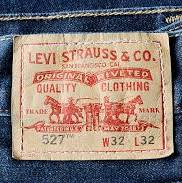
Strauss died in 1902 and left the company to four nephews. Family descendants are still active in the firm to this day and Levi Strauss jeans are a classical fashion icon known and worn around the world. Since 2000 there is a museum located in Strauss’ birth home in Buttenheim dedicated to his life and the history of Levi jeans.
(iStock)
Sources:
Landlust, March/April, 2026