
The Muhlenberg Dynasty
The Muhlenberg family was prominent among the early German settlers in the United States. The family patriarch, Henry Melchior Muhlenberg (1711-1787), is considered the founder of the Lutheran Church of North America. An ordained minister, he came to the United States in 1742 to lead German speaking congregations in Pennsylvania. Muhlenberg organized the first permanent Lutheran synod in 1748. He drafted a constitution for the Lutheran church in Philadelphia that led to the creation of the Lutheran church system in North America.
Henry Muhlenberg had eleven children. They were the basis of a family dynasty that produced national leaders in the areas of politics, academics, the military and religion. Sons Frederick and Peter Muhlenberg are notable for their contributions during early American independence.
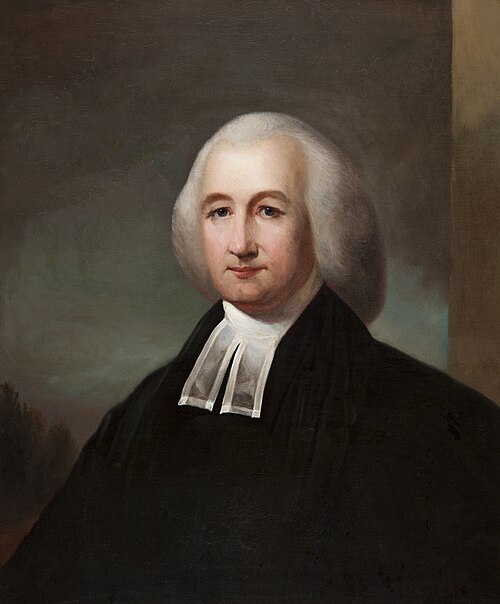
Henry Muhlenberg (Source: Wikipedia)
Frederick and Peter Muhlenberg in the American Revolution
Frederick and Peter Muhlenberg were among the first German American members of the United States Congress following the Revolution.
Frederick was a minister, an active Pennsylvania politician and the first Speaker for the House of Representatives in the First Federal Congress. Peter was a minister, politician and a leading general during the Revolution. The sons’ support for the Revolution was difficult for their father, who had sworn allegiance to King George the Third when he became a Pennsylvania citizen. However Frederick never hesitated in defending the cause of American independence. In 1779-1780, he was the Pennsylvania delegate to the Continental Congress. He also served as Speaker in the Pennsylvania Assembly from 1780 to 1783.
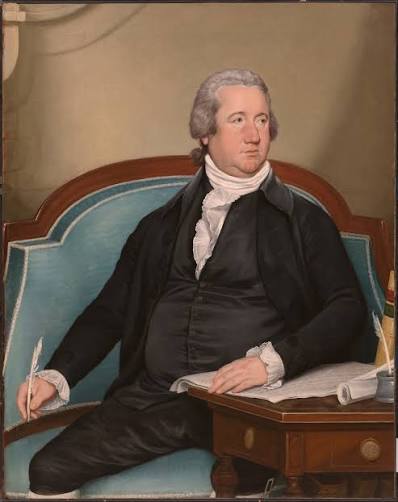
Frederick Muhlenberg (Source: Smithsonian Institute)
Because of pastoral duties, Frederick did not serve in the military. His brother Peter, however, stepped down from his pastoral duties to become an officer in the Continental Army. From colonel of the 8th Virginia Regiment, Peter rose to become a brigadier general. He led troops in several battles including Brandywine, Germantown, Monmouth and Yorktown. After the war Peter was elected to the Supreme Executive Council of Pennsylvania and became its Vice President in 1787.
The Muhlenbergs and the First Federal Congress
Both Muhlenberg brothers supported the drafting and ratification of the Constitution of the United States. Frederick was the president of the Pennsylvania Ratifying Convention of November, 1787. Ratification of the Constitution by the Pennsylvania delegation was confirmed by letter in December of 1787.
The First Federal Congress convened in New York City in March of 1789. One of their first business priorities was to elect the first President of the United States, George Washington. The other important work of the First Congress was to establish rules and procedures for the House and Senate, as well as to create executive departments and the federal judiciary.
As Speaker of the House, Muhlenberg signed laws passed by Congress, including the Bill of Rights. This critical bill included twelve amendments to the Constitution that guaranteed freedoms for religion, speech, a free press, free assembly, free association, and the right to bear arms.
Frederick was elected to the following three Congresses, again serving as Speaker in the Third Congress (1793-1795). Peter Muhlenberg returned to the House of Representatives for the Third and Sixth Congresses (1793-1795, 1799-1801) and was active in promoting in the election of Thomas Jefferson as president. In 1801, he was elected to the US Senate, but resigned before taking office to pursue a career in industry.
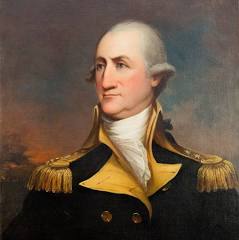
Peter Muhlenberg (Source: immigrantentrepreneurship.org)
Sources: